Blogs
The Impact Of Political Talk Shows On Public Debate

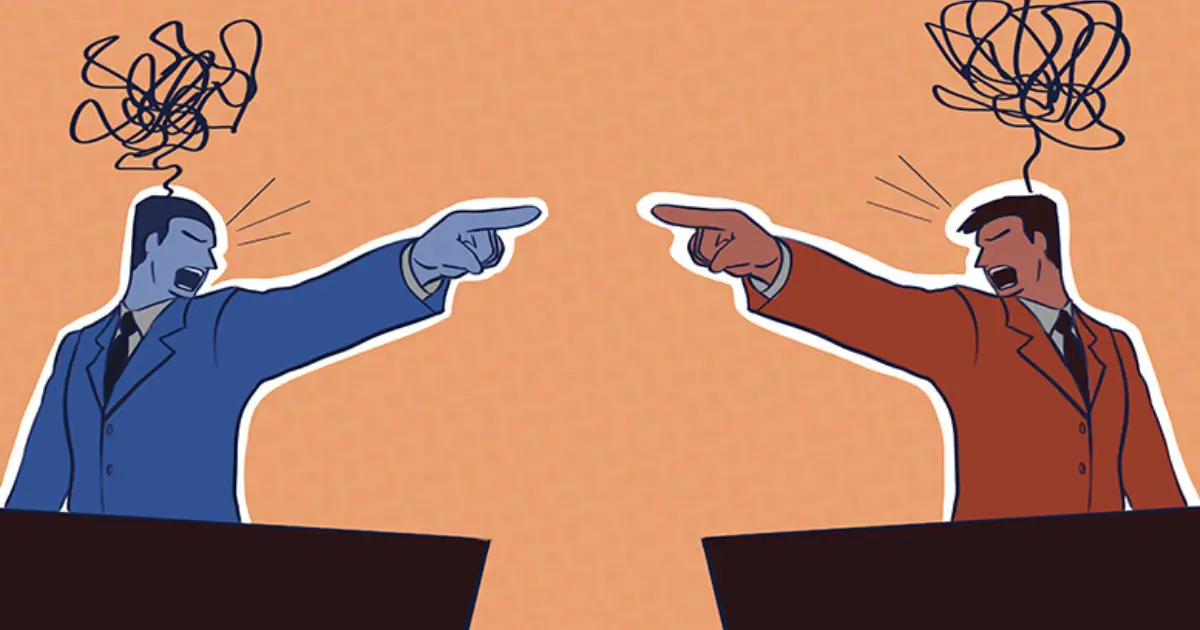
Political talk shows have shaped American political discourse for decades, from the Sunday morning round tables that once set the week’s political agenda to the late-night comedy programs that became unlikely venues for serious political accountability. The impact of political talk shows on public debate is not declining in the digital era. It is transforming. The format, the platform, the host, and the audience have all changed, but the fundamental function remains the same: creating a public space where political ideas and political actors are examined and challenged in front of a watching citizenry.
As the host of The Daily Mic Drop, I think about this constantly. What makes a political conversation that actually shifts understanding rather than simply confirming existing beliefs? In this piece, I want to examine the impact of these talk shows on public debate from the inside: what these shows do well, where the traditional format has failed democracy, how the digital era has transformed the landscape, and what the most effective political interview formats look like in 2026.
The Historical Power of the Format
The impact of political talk shows on public debate has historically operated through three distinct mechanisms: agenda-setting, which determines which issues get considered important; accountability, which subjects political figures to public questioning they cannot fully control; and the production of political culture, which shapes the informal norms and expectations of political discourse. At their best, think Tim Russert’s Meet the Press in the late 1990s or Jon Stewart’s Daily Show during the Bush era, political talk shows have done all three simultaneously.
Where the Traditional Format Has Failed
The most serious critique of traditional political talk shows is that they have gradually become venues for the delivery of pre-approved talking points rather than genuine exchanges of accountability. When every politician appears with a media trainer’s coaching and a communications team’s approved messaging, the format produces performance rather than revelation. The impact of political talk shows on public debate becomes negative in this scenario, not because they discuss nothing, but because they create the appearance of accountability without its substance.
The Digital Transformation and The Daily Mic Drop
The digital era has fundamentally changed the impact of political talk shows on public debate by democratizing who can host one. The Daily Mic Drop, the interview format I’ve built at Call to Activism, operates on the premise that the most valuable political interview is the one that creates a genuinely unrehearsed moment, a question that lands differently than expected, a follow-up that won’t let a non-answer stand, an exchange that travels because it is real. That format has produced nationally significant moments that have been picked up by mainstream television, not because of the platform size but because of the authenticity of the exchange.
Final Note
The impact of political talk shows on public debate in 2026 is still enormous, but the shows that are actually shaping political understanding are increasingly the ones that refuse the conventional format. Real accountability in a clippable moment that travels on the platforms where people actually consume political content. That’s the standard The Daily Mic Drop holds itself to, and it’s the standard that matters.
