
Blogs
How Digital Activism Works In 2026

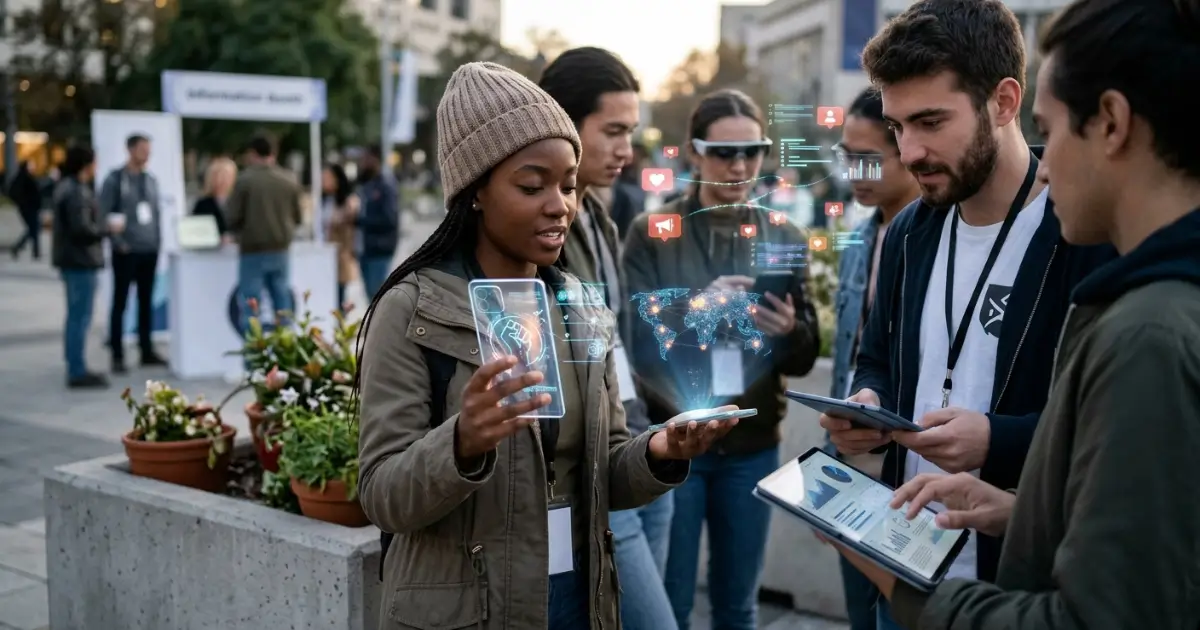
I get asked constantly how a platform like Call to Activism actually moves the needle, how a post, a clip, or a campaign translates from a screen into real political pressure. The honest answer is that how digital activism works in 2026 is a completely different mechanism than it was even five years ago, and most people trying to build a movement online are still operating on outdated assumptions about what actually drives change. The platforms have changed, the audiences have changed, and the incentives baked into every algorithm have changed right along with them, which means strategies that worked during the first Trump term simply don’t translate anymore.
In this post, I’m going to walk you through exactly how digital activism works, starting with the algorithmic reality that determines whether your message is even seen, moving through the psychology of what converts a scroll into an action, and ending with the infrastructure that turns a single viral moment into sustained political pressure. If you’re trying to build something that matters online, this is the roadmap I wish someone had handed me back in 2017, when I was figuring most of this out through trial and error.
The Algorithm Decides Who Sees You First
Before any message can move anyone, it has to survive the algorithm. Every platform prioritizes content differently, and learning how activism works in the digital landscape starts with understanding that reach is earned through engagement signals, comments, shares, and watch time, not through good intentions. I’ve watched brilliant, urgent content die in obscurity because it wasn’t built with the platform’s mechanics in mind, while a mediocre message with a strong hook traveled to millions. Understanding this isn’t cynical. It’s the entry fee for being heard at all in a media environment this crowded and this competitive for attention.
This means the first sixty minutes after you publish something matter enormously, because that’s the window platforms use to decide whether your content deserves wider distribution. Activists who treat that window seriously, replying to early comments, cross-promoting to prime the initial engagement, and posting at the moment their specific audience is most active, consistently outperform those who post and walk away without a second thought.
From Awareness to Action: The Conversion Problem
The hardest part of how digital activism works in 2026 isn’t getting views. It’s converting those views into something real. A million impressions that produce zero calls to Congress, zero donations, and zero votes is a vanity metric, not activism. Every piece of content I put out through Call to Activism is built around a specific, achievable ask, because an audience that feels informed but has nowhere to direct that feeling simply moves on to the next post without acting on anything.
The most effective digital activists I’ve worked alongside treat every post as the first step of a funnel, not the finish line, always giving the audience a next action, however small, that turns attention into participation. That might be a phone number to call, a specific representative to contact, or a concrete date to remember, but it always has to be something.
Sustained Pressure Beats a Single Viral Moment
One clip going viral feels like a win, but digital activism in 2026 at its most effective is through sustained pressure over weeks and months, not a single spike. The stories I keep returning to, Epstein accountability, the Iran war’s cost to Americans, judicial corruption, stay in front of my audience because the news cycle wants to move on, and I refuse to let it. That refusal is strategy, not stubbornness, and it’s usually the difference between a moment that trends and a moment that actually changes something in the real world.
Building this kind of sustained presence requires systems: a content calendar that revisits unresolved stories, a team or workflow that can track developments over months, and the discipline to keep showing up on an issue long after the algorithm has moved its attention elsewhere onto whatever is newly trending.
Final Note
How digital activism works in 2026 comes down to three things: understanding the platform mechanics that determine reach, converting attention into specific action, and sustaining pressure long after the algorithm has moved on. Master those three, and you’re not just posting. You’re building a movement that actually shows up in the outcomes that matter, whether that’s a policy reversed, an official held accountable, or a community mobilized to act.
