Blogs
Political Community Building: Grow A Loyal Audience

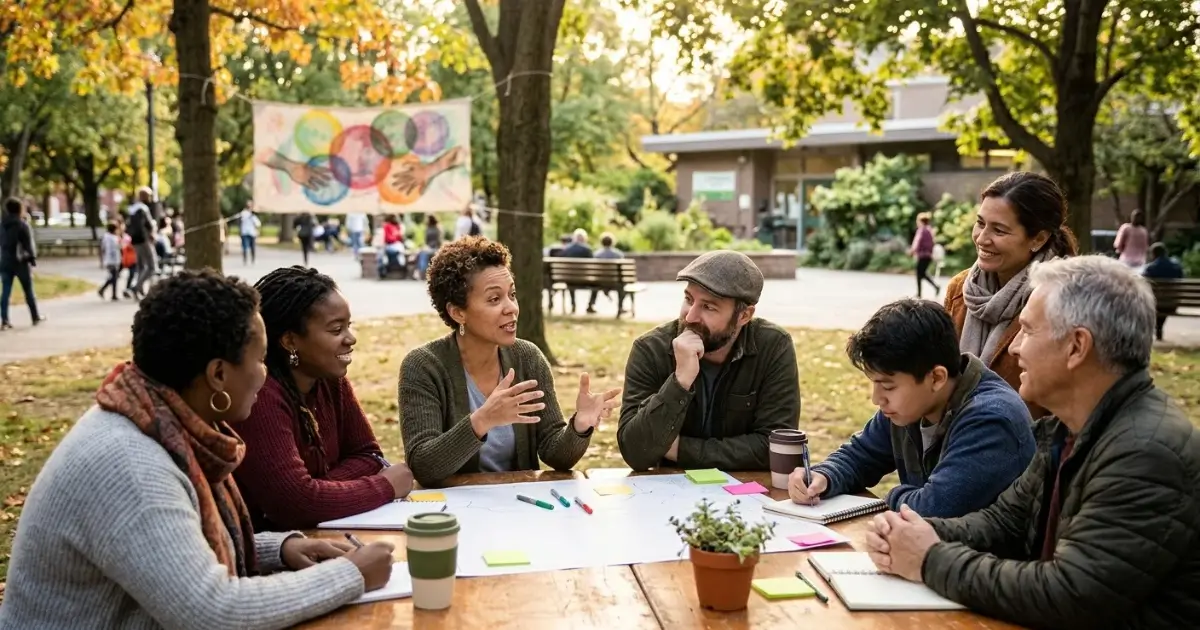
The difference between an audience and a community is the most important distinction in political digital strategy, and it’s the one most platforms never meaningfully cross. An audience is a collection of individuals who consume content produced by someone else. A community is a group of people who feel genuine ownership over a shared mission, who contribute to it, advocate for it, and sustain it between the moments when the platform creator is driving it. Political community building is the discipline of crossing that line deliberately rather than hoping it happens on its own.
In this post, I’ll walk through the specific components of effective community building, covering the shared identity that makes a community feel distinct, the reciprocal engagement that builds ownership, the participation structures that give community members something to contribute, and the sustained cultivation that keeps a community active between major political moments.
Define The Shared Identity
Political community building starts with the articulation of a shared identity that is specific enough to be meaningful and inclusive enough to build around. ‘People who care about politics’ is not a community identity. It’s a description of most of the internet. ‘People who believe democratic accountability requires sustained, documented pressure from independent voices’ is a community identity. The more specific and more purposeful the identity, the stronger the community formation around it.
Reciprocal Engagement Creates Ownership
The most powerful driver of community building in the domain of politics is the experience of being heard and responded to. When a platform responds to community members’ comments, incorporates their insights, acknowledges their contributions, and treats their engagement as genuinely valuable rather than merely as a metric, it creates the ownership dynamic that converts a passive follower into an active community member. At Call to Activism, reciprocal engagement is a deliberate operational priority, not a social media afterthought.
Create Structures For Participation
Community building requires giving community members something specific to do, not just content to consume. Community calls to action, volunteer opportunities, advocacy campaigns, and peer-to-peer organizing structures all give members a way to participate in the mission rather than simply observe it. The communities that remain active and loyal are the ones where membership means something beyond following an account.
Sustain Cultivation Between The Major Moments
Political community building fails most often in the spaces between major political moments, when there’s no crisis to galvanize, no campaign to mobilize for, no viral moment to rally around. The communities that sustain their engagement through these periods are the ones with consistent, low-stakes touchpoints: regular content that reminds members why they’re part of the community, recognition of community contributions, and ongoing conversations that maintain the sense of shared mission.
Final Note
Political community building is the most durable investment in any digital political strategy, the one asset that compounds across cycles, survives platform changes, and converts reach into genuine political power. Build the shared identity, invest in reciprocal engagement, create participation structures, and sustain the cultivation between major moments. That’s what makes a community, not just an audience.
