Blogs
Digital Activism Tools For Social Change That Work

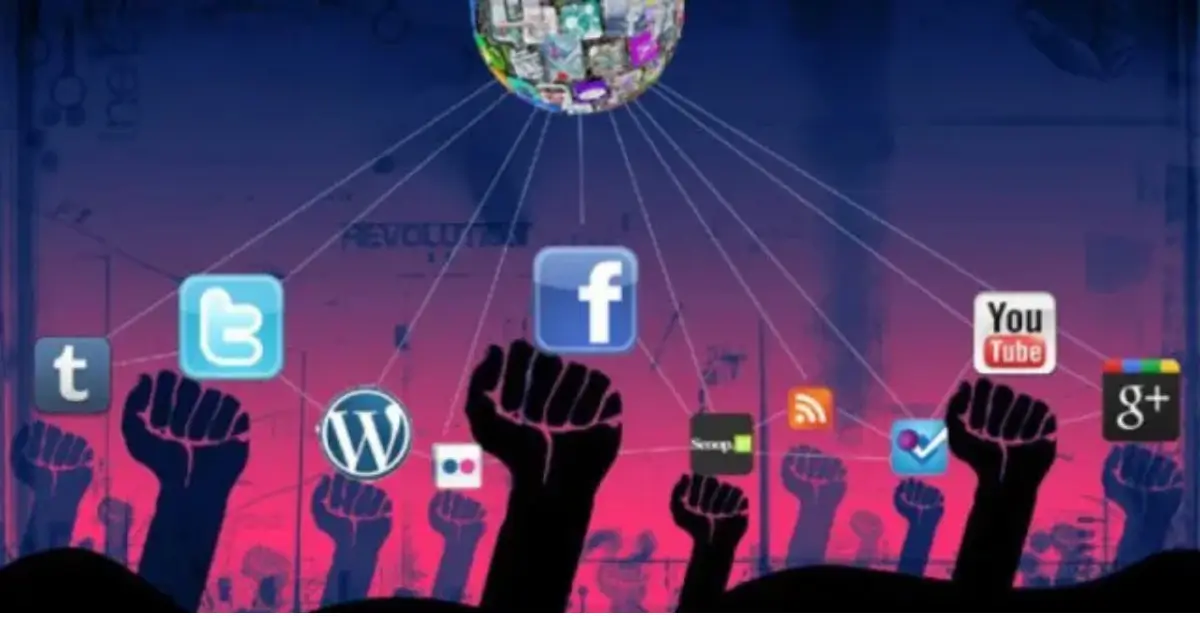
Digital activism didn’t start with hashtags, and it won’t end with them. Still, many people confuse visibility with impact. I’ve watched countless movements gain attention online and then disappear without changing a thing. That’s why understanding digital activism tools for social change matters more than ever.
If you want action, not just awareness, the tools you choose and how you use them make all the difference. Digital activism tools should serve people, not the algorithm. Here’s what you should know about these tools.
The Purpose Behind the Platform
Every platform pushes behavior. Some reward speed. Others reward emotion. Digital activism tools for social change must be selected with intent. Posting everywhere without a plan spreads energy thin and burns people out.
What works is choosing tools that match your goal. If the goal is education, long-form content still matters. If the goal is mobilization, short-form video and live engagement often perform better. These tools work when strategy leads technology, not the other way around.
Trust Is the Real Currency
I’ve learned that people don’t share content because it’s flashy. They share it because they trust the source. Digital activism tools for social change should reinforce credibility at every step.
That means sourcing claims, correcting errors publicly, and resisting the urge to exaggerate. Once audiences believe you’re honest, they will follow you anywhere. These tools for social change succeed when trust stays intact.
Two-Way Engagement Changes Everything
Too many movements talk to people. Real digital activism listens. Comments, replies, and direct messages are not distractions. They’re intelligent.
Digital activism tools for social change become powerful when feedback loops are built in. Polls, Q&A sessions, and live discussions create ownership. People support what they help shape.
Safety and Sustainability Matter
Burnout kills movements faster than opposition. These tools for social change should protect activists, not exhaust them. That includes moderation policies, mental health boundaries, and clear roles within teams.
Ways to Promote Accountability in Online Politics focus on building systems that value consistency over hype. Sustainable movements last longer than viral moments. Disciplined digital operations often outlast far larger but chaotic ones, proving that digital activism tools for social change must support long-term impact.
Conclusion
Digital activism tools for social change are only as strong as the strategy behind them. Technology can amplify a message, but it can’t replace purpose.
If you want people to move, vote, or organize, you need tools that respect their intelligence and time. That’s the model I’ve built my work around. Social change doesn’t come from clicks alone. It comes from trust, clarity, and follow-through.
