Blogs
Case Studies On Successful Digital Political Campaigns

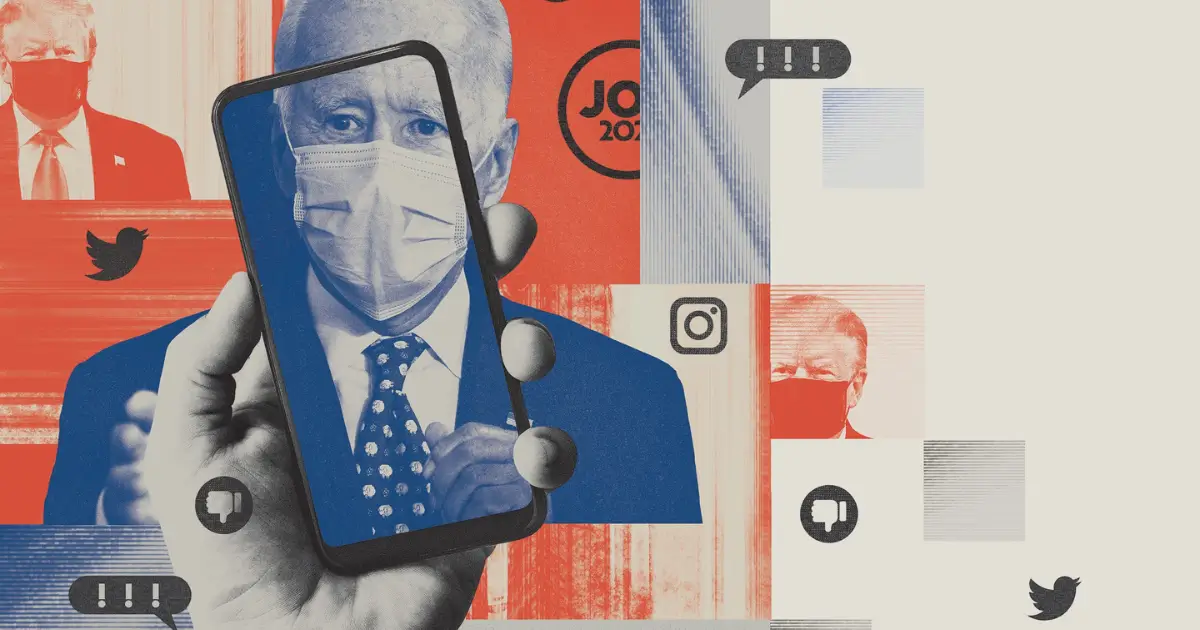
Political campaigns used to rely almost entirely on television ads, debates, and traditional media coverage. While those channels still matter, the digital world has dramatically reshaped how political movements communicate. Some of the most influential moments in modern politics have started online and spread through communities at a pace traditional campaigns could never match. That’s why studying case studies on successful digital political campaigns can reveal important lessons for organizers today.
When you look closely at campaigns that break through the noise online, you’ll notice something interesting. They rarely succeed because of technology alone. Instead, they succeed because they understand how people interact with information and emotions in the digital space.
Storytelling Drives Digital Momentum
One of the clearest patterns you see when examining successful digital political campaigns is the role of storytelling. People don’t rally around spreadsheets or policy documents. They rally around stories that help them understand why an issue matters.
Digital campaigns that highlight real people and real experiences often generate stronger engagement than those that focus only on statistics. When viewers see the human impact of policy decisions, the conversation becomes personal rather than abstract.
In many of the digital media projects I’ve worked on, including content connected to Call to Activism, the most powerful moments come when audiences recognize themselves in the story being told.
Timing and Cultural Awareness
Another factor that stands out in case studies on successful digital political campaigns is timing. Digital conversations move quickly, and campaigns that understand cultural context are better positioned to reach audiences when interest is highest.
For example, major political debates, news events, and cultural moments can dramatically increase attention to certain topics. Campaigns that respond thoughtfully during those moments often see their messages spread more widely.
However, timing alone isn’t enough. The message still needs to be clear and credible.
Community Amplification
A successful digital campaign rarely operates alone. It relies on communities that share and discuss the message.
When supporters feel connected to a cause, they become powerful advocates. They share posts, respond to misinformation, and introduce the issue to new audiences.
Looking at successful digital political campaigns, it’s clear that grassroots supporters often play a bigger role in spreading the message than the campaign itself.
This is one of the reasons digital advocacy has become so influential. It empowers ordinary people to participate directly in political conversations.
Learning From Success and Failure
Not every digital campaign succeeds. Some messages fail to resonate, and some strategies struggle to gain traction. But even unsuccessful campaigns provide valuable lessons. They show organizers what audiences respond to and what approaches need to evolve. For political communicators, studying both successes and failures helps refine strategy for the future.
Final Note
Digital politics is still evolving, but one thing is already clear. The campaigns that succeed online are the ones that combine clear messaging, authentic storytelling, and strong community engagement.
By studying case studies on successful digital political campaigns, organizers can better understand how ideas spread, how narratives take shape, and how digital platforms can help transform awareness into meaningful political action learn more on campaign insights.
