Blogs
How Social Media Is Shaping Political Narratives in 2026 and Beyond

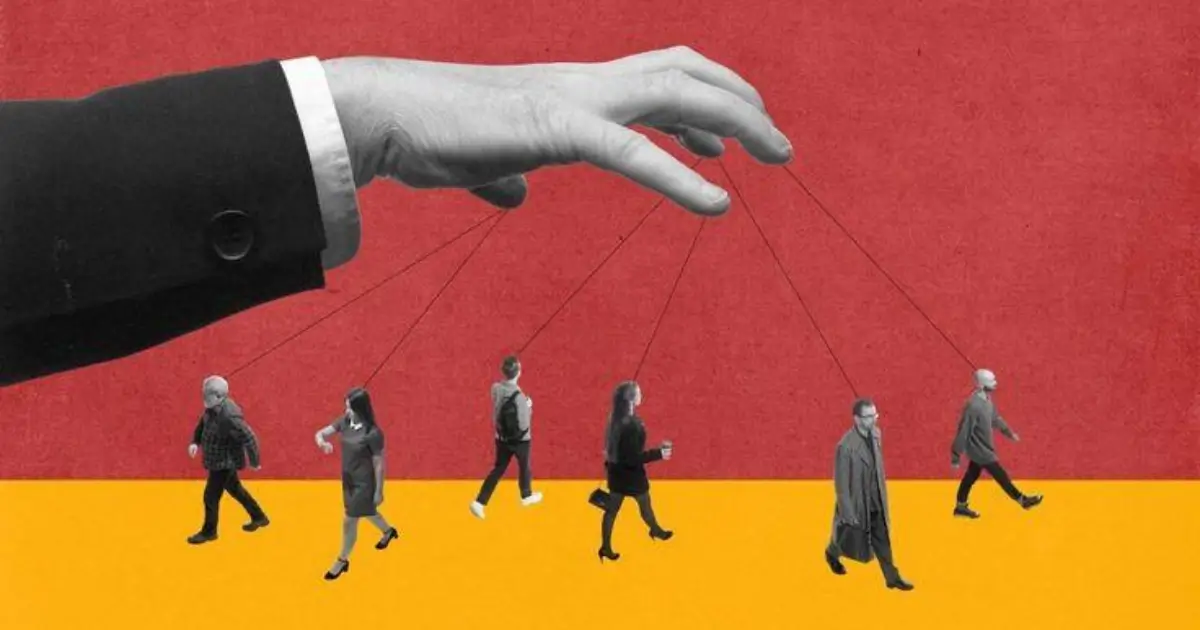
Let me be honest with you, the political landscape you see on your screen is not an accident. Every trending hashtag, every viral clip, every “BREAKING” alert is part of a much larger machine that is actively shaping what you believe, whom you trust, and how you vote. I’ve spent years studying and working inside this machine, and understanding how social media shapes political narratives in 2026 is no longer optional for anyone who cares about democracy. It’s survival.
The shift that’s happened, particularly in the last two years, is staggering. We’ve moved from a world where TV networks set the agenda to one where a 90-second TikTok from an independent creator can topple a politician’s carefully crafted image before the evening news even airs. Understanding how social media shapes political narratives in recent years means understanding who is actually in control of the story, and right now, it is not the people you think it is.
The Algorithm Is the Editor Now
Here is the uncomfortable truth: the algorithm decides what you see, and by extension, what you believe. Platforms like X, TikTok, and Facebook don’t surface content because it’s accurate. They surface it because it generates engagement. Outrage, fear, and tribal validation all drive clicks, shares, and watch time. That’s the formula. A false narrative that triggers an emotional response will always outrun a fact-check that arrives calmly and carefully. Research from the University of Kentucky confirms that misinformation spreads far faster than its correction, and the correction rarely catches up. If you want to understand how social media shapes political narratives in 2026, you have to start there, with who profits from your emotional reaction.
From Gatekeepers to Creators
What has genuinely changed in 2026 is the collapse of the traditional media gatekeeper. Candidates like Josh Shapiro are now reserving front-row space at campaign events specifically for credentialed social media creators, not just journalists. This isn’t a gimmick. It’s a recognition that your neighbor’s favorite political creator on TikTok reaches more people than the local newspaper ever could. I see this firsthand. When a clip from one of my Daily Mic Drop interviews goes viral, it doesn’t just trend. It shapes how millions of people understand a political moment. That’s real power, and it comes with real responsibility.
Echo Chambers and the Danger of Comfort
The darker side of how social media shapes political narratives in 2026 is the echo chamber problem. Algorithms designed to keep you engaged also keep you locked inside your own worldview. You see more of what you already agree with. You get angrier at people who disagree. And slowly, facts become secondary to identity. I’ve built Call to Activism on the belief that progressive voices need to fight back, not by building a louder echo chamber, but by showing up in the spaces where narratives are actually formed and delivering clarity with force. Truth has to be strategic, not just sincere.
Final Note
The battlefield of 2026 is not a debate stage or a town hall. It’s your phone screen at midnight. Democracy doesn’t defend itself. People do. And if you want to defend it, you need to understand how social media shapes political narratives in 2026 so you can recognize when you’re being played, and push back with purpose explore these simple ways to stay informed that’s the work. And it never stops.
