Blogs
What Makes A Political Interview Go Viral in Today’s Digital Media Landscape

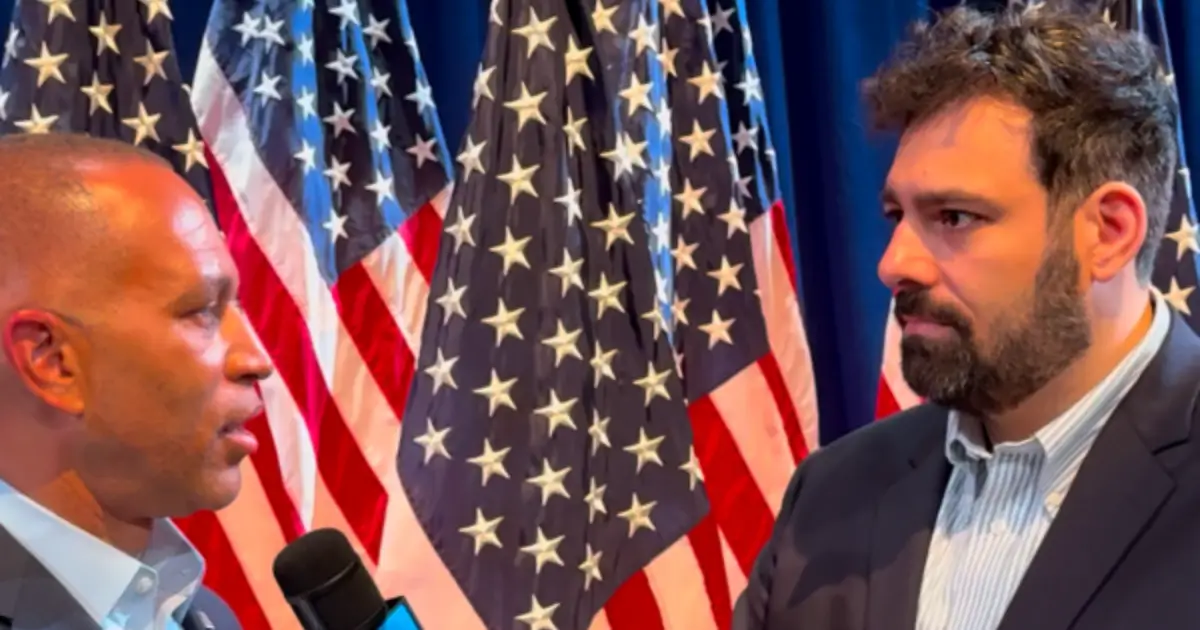
After years of conducting political interviews and watching some of them rack up millions of views while others quietly disappear, I’ve learned something important: what makes a political interview go viral has very little to do with the credentials of the person sitting across from you. It has everything to do with the question asked, the moment created, and the way that moment lands with an audience who’s been waiting for someone to say exactly that.
My interview with Rep. Jasmine Crockett became a national flashpoint, featured on The Daily Show, CNN, Fox News, and picked up across the political spectrum. That didn’t happen because I had the biggest platform in the room. It happened because I understood what makes these interviews go viral: the combination of an unexpected question, an honest and fearless answer, and an audience already primed to care deeply about the stakes involved. Let me break down the anatomy of that moment.
The Question Has to Be the Story
Most interviewers let the subject deliver their talking points and nod along. That produces nothing worth sharing. What makes a political interview go viral is when the question itself reframes the entire issue, when it catches a politician off guard, corners them with their own words, or gives them the space to say something they’ve never been allowed to say publicly before. The question is not a formality. It’s a weapon, a door, or a mirror. Use it like one.
Emotional Authenticity Beats Polished Performance
Audiences in 2026 are acutely allergic to political theatre. They’ve seen too many carefully scripted press conferences to be impressed by a well-rehearsed answer. What travels is rawness, a politician who laughs at a joke and means it, or who pauses because a question genuinely landed, or who drops their political armor for thirty seconds. Authenticity is the rarest currency in political media, and when viewers see it, they share it instantly because they’re shocked by it.
Clip-Ability and the Three-Second Rule
Even in a 20-minute interview, what goes viral is a 90-second clip. That’s the reality of the current media environment. Every interview I produce, I’m thinking about what can make this go viral at the clip level, where is the moment that stands alone, that tells a complete story without context, that can be embedded in a tweet or reshared on TikTok and still land perfectly? If you can’t identify that moment before you post, find a better clip.
Final Note
Understanding what makes a political interview go viral isn’t just a content strategy. It’s a responsibility. When done right, a viral political interview can change public understanding of an issue, hold power to account, and give ordinary people the validation of seeing someone in power answer for what they’ve done. That’s why I do this. Not for the views, for the impact those views represent learn how social media algorithms shape political discourse
