
Blogs
The Role Of Satire In Political Persuasion and Why It Works Online

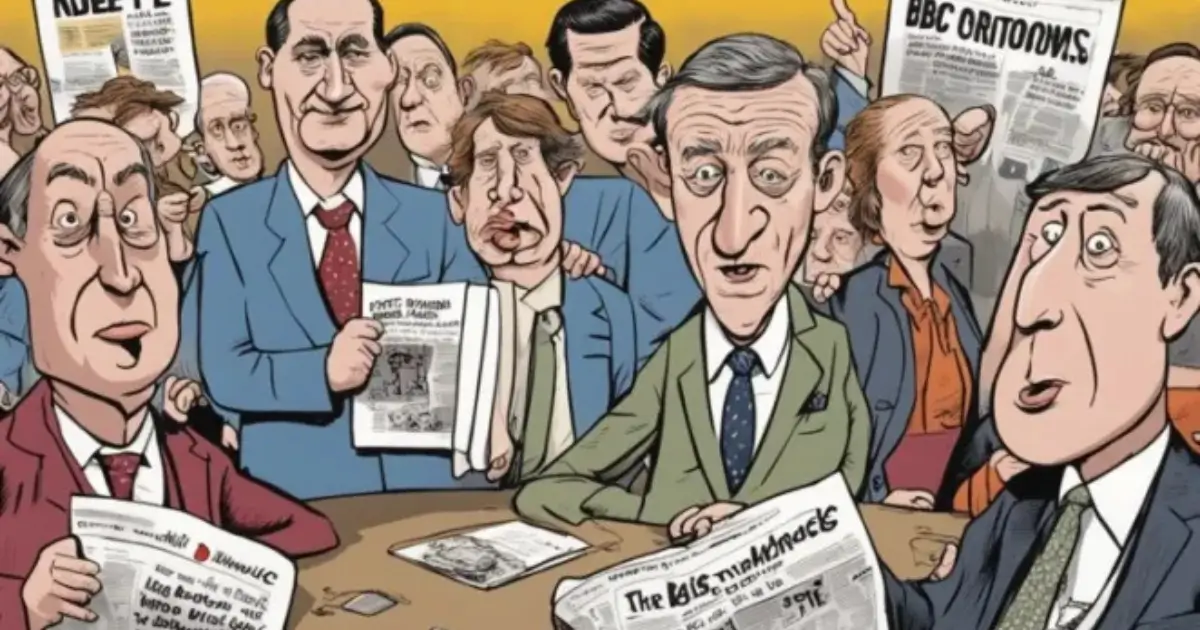
Some of the most politically powerful moments I’ve witnessed didn’t come from a press conference or a congressional hearing. They came from a comedian holding a mirror up to power and making a room laugh before it made them think. Satire has always been a tool of the politically marginalized, the truth-teller, and the dissident. But in the digital era, the role of satire in political persuasion has taken on a scale and speed that would have been unimaginable to the writers of Saturday Night Live’s early years.
I’ve co-created a nationally aired project, and I’ve watched how political satire travels online. The role of satire isn’t just cultural, it’s strategic. When done correctly, it doesn’t just entertain. It disarms. It bypasses the defensive walls that people put up when they feel like they’re being preached at, and it sneaks truth through the back door while the audience is still laughing. That’s a power that straightforward advocacy often cannot replicate.
Why Satire Disarms Where Arguments Fail
Political persuasion research consistently shows that people are most resistant to changing their views when they feel like someone is trying to change their views. Direct argument triggers defensiveness. Satire sidesteps this entirely. When Jon Stewart, for example, mocks a politician’s contradiction with a perfectly timed clip, the audience laughs, and in laughing, they absorb the critique without feeling lectured. The role of satire in political persuasion is fundamentally about getting past the ego’s front door.
Satire in the Viral Economy
Online, satire has an additional superpower: it’s wildly shareable. A brutal, funny takedown of a political figure gets reshared across partisan lines in ways that straight reporting rarely does. People who would never engage with a fact-check will screenshot a meme that makes the same point with more wit. This is why the role of satire in political persuasion has grown more significant in the social media era. It plays by the emotional rules of the attention economy while still carrying factual and moral weight.
The Responsibility That Comes With the Laugh
Here’s where I want to be careful, because satire without accountability can become its own form of misinformation. The most effective political satire is built on documented truth. It exaggerates and highlights, but it doesn’t fabricate. When satire strays into pure invention, it loses its persuasive power and becomes what it’s supposed to fight. The role of satire in political persuasion is most legitimate and most powerful when it holds a factual mirror up to a genuinely absurd reality.
Final Note
Never underestimate the laugh. The role of satire in political persuasion has been central to resistance movements and democratic accountability for centuries, from Jonathan Swift to Jon Stewart to the TikTok creator who turned a politician’s contradiction into a 10-million-view moment. In the right hands, it is not a distraction from serious politics. It is serious politics learn when to stay silent.
