
Blogs
Mobilizing Social Justice Movements in the Digital Age

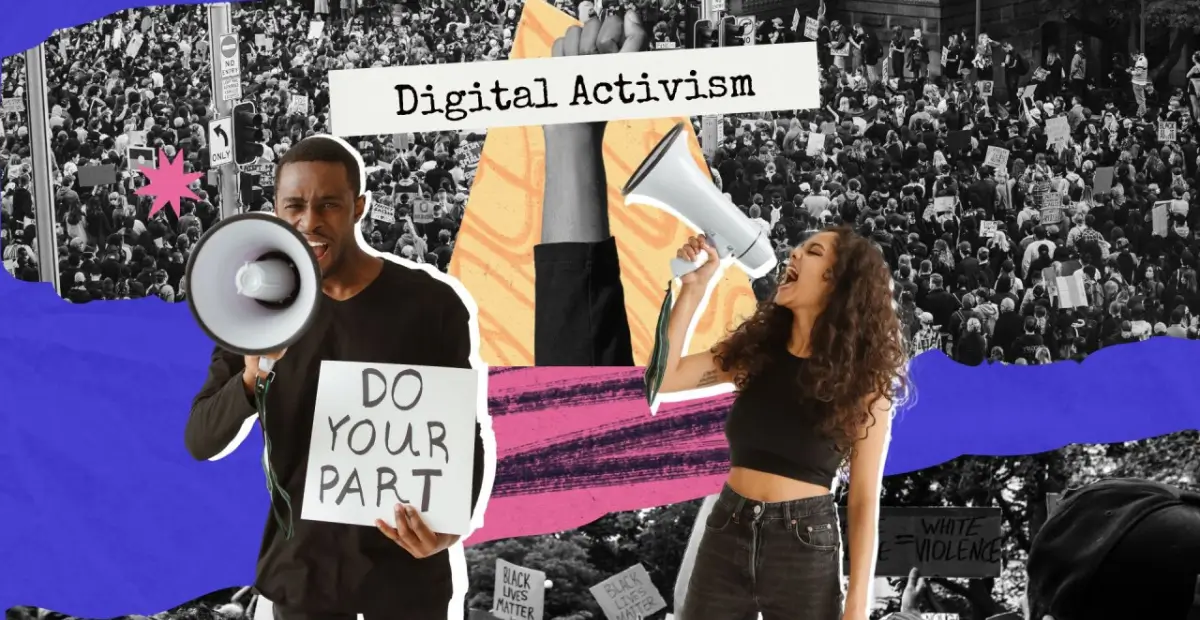
People often assume that social justice movements rise on emotion alone. Anger sparks attention, but attention does not sustain action. I’ve seen too many causes gain momentum quickly and then collapse just as fast. Social justice movements require far more than outrage. It requires structure, trust, and a clear sense of direction.
Today’s digital environment makes mobilizing social justice movements both easier and harder. Easier because information travels fast. Harder because attention disappears just as quickly. If movements want to last, they must adapt to that reality without losing their core purpose.
Clarity Is the Foundation of Mobilization
The first challenge in mobilizing social justice movements is defining the problem clearly. Vague calls for change scatter energy. People act when they understand exactly what is wrong and what needs to happen next.
I’ve learned that successful movements focus on specific injustices rather than abstract ideals. When goals are concrete, supporters know how to help. Social justice movements work best when actions feel achievable, not symbolic.
Digital Reach Must Translate Into Real Pressure
Visibility alone does not create change. Mobilizing social justice movements requires linking online engagement to real-world outcomes. That could mean legislative pressure, institutional reform, or sustained public accountability.
I’ve watched movements stall because digital success was mistaken for victory. Likes and shares feel good, but they don’t replace organizing. Social justice movements mean using online platforms as tools, not endpoints.
Trust Determines Whether People Stay
People don’t remain involved if they feel misled or used. Mobilizing social justice movements depends on honesty, especially when progress is slow. Transparency about challenges builds loyalty.
I always emphasize sourcing claims, correcting mistakes openly, and resisting exaggeration. Once trust erodes, movements fracture. Social justice movements require leaders who value credibility over attention.
Leadership Must Be Shared
Centralized control weakens movements over time. Mobilizing social justice movements works best when leadership is distributed. Local voices understand local realities better than national figures ever could.
I’ve seen movements gain strength when organizers step back and let communities lead. Shared ownership keeps movements resilient and adaptable.
Burnout Is the Silent Threat
Sustained pressure exhausts people. Mobilizing social justice movements requires protecting the people doing the work. That means pacing campaigns, setting boundaries, and recognizing when rest is necessary.
Burned-out activists don’t advance justice. Sustainable movements do.
Conclusion
Mobilizing social justice movements is not about being the loudest voice in the room. It’s about building a structure that can withstand pressure, opposition, and time.
That’s the approach I’ve taken in my work with Call to Activism and across political media. Social justice movements succeed when they combine urgency with discipline and passion with strategy. When those elements align, change becomes possible.