
Blogs
What Happens During a Legislative Hearing?

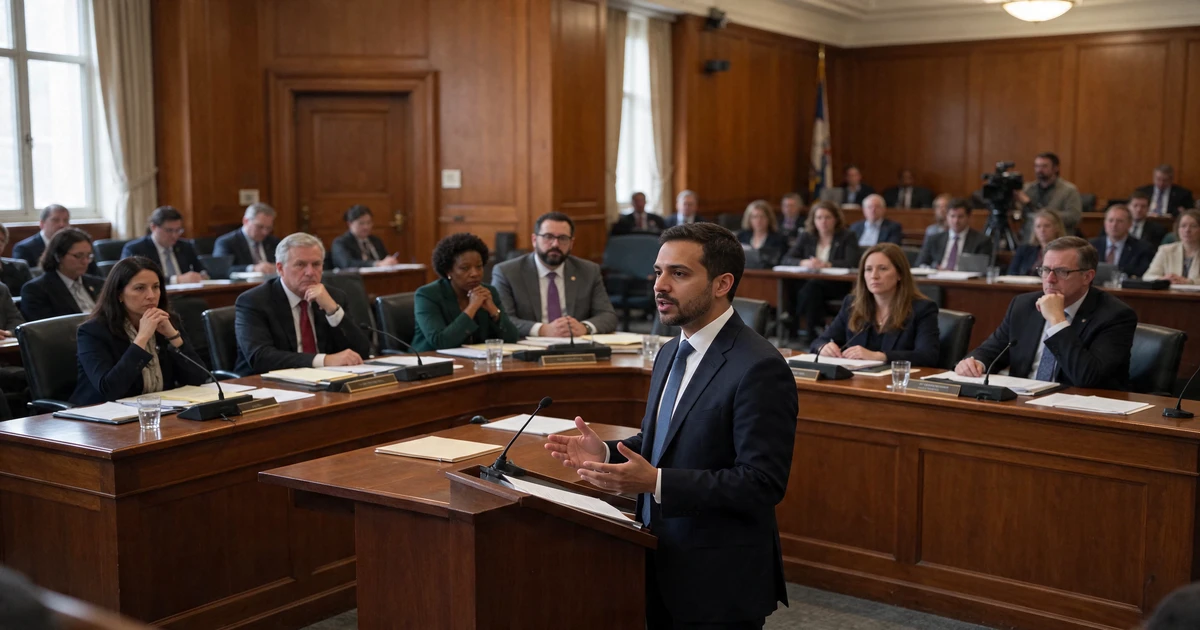
You’ve seen the clips: a member of Congress leaning into a microphone, a witness squirming, a viral exchange that racks up millions of views. But a hearing is more than a highlight reel. It’s one of the main ways government gathers information, and sometimes forces answers. Having covered plenty of these moments, I want to show you what’s really going on.
So let’s walk through what happens during a legislative hearing, from the opening gavel to the paper trail afterward.
The Setup
A committee or subcommittee schedules a hearing and posts a notice, usually in advance. The notice lists the topic and often the witnesses. Hearings come in different flavors: some examine a bill, some conduct oversight of an agency, some investigate a problem, and some consider nominations. Knowing which type you’re watching tells you what to expect.
Opening Statements
The chair opens the hearing and sets the tone. The ranking member, who is the top minority-party member on the committee, usually follows. Then witnesses give opening statements, typically summarizing written testimony they’ve already submitted. That written record matters more than people realize, because it becomes part of the official file.
The Questioning
This is the part everyone watches. Members take turns questioning witnesses, often in time-limited rounds. In the House, a five-minute limit per member is common practice in many committees. That clock explains why you see so much interrupting and so many speeches disguised as questions. Members know the cameras are rolling, and many are playing to an audience beyond the room.
So when you’re asking what happens during a legislative hearing, remember there are two audiences: the witness in front of them and the voters watching at home. The smartest members use their time to build a clear record, one question at a time.
Oaths, Subpoenas, and Consequences
Witnesses may be placed under oath, and lying to Congress can be a federal crime. Some appear voluntarily, while others show up because of a subpoena. A hearing is not a trial, though. Nobody is convicted at the table. The goal is to gather facts, build public understanding, and shape legislation or follow-up action.
After the Gavel
Hearings usually produce a transcript and a record that can be cited in later votes, reports, and investigations. Committees may follow up with written questions or document requests. A bill examined in a hearing may move to a markup, where amendments are debated and the committee votes on whether to advance it.
One more thing worth knowing: not every hearing is a fight. Many are technical sessions where experts walk members through an issue, and those quieter hearings often shape legislation more than the viral ones. If your issue is on the schedule, watch it live or read the posted testimony. You’ll often learn more than you will from any summary, and you’ll spot when officials aren’t telling the whole story.
How to Watch Smarter
Read the witness list first. Skim the written testimony. Watch for facts that surface, not just the fireworks. Hearings are streamed and archived online, so you can go back and check what was said. Knowing what happens during a legislative hearing makes you a better citizen-viewer, and a harder target for spin.
