
Blogs
How Congressional Oversight Holds Government Accountable

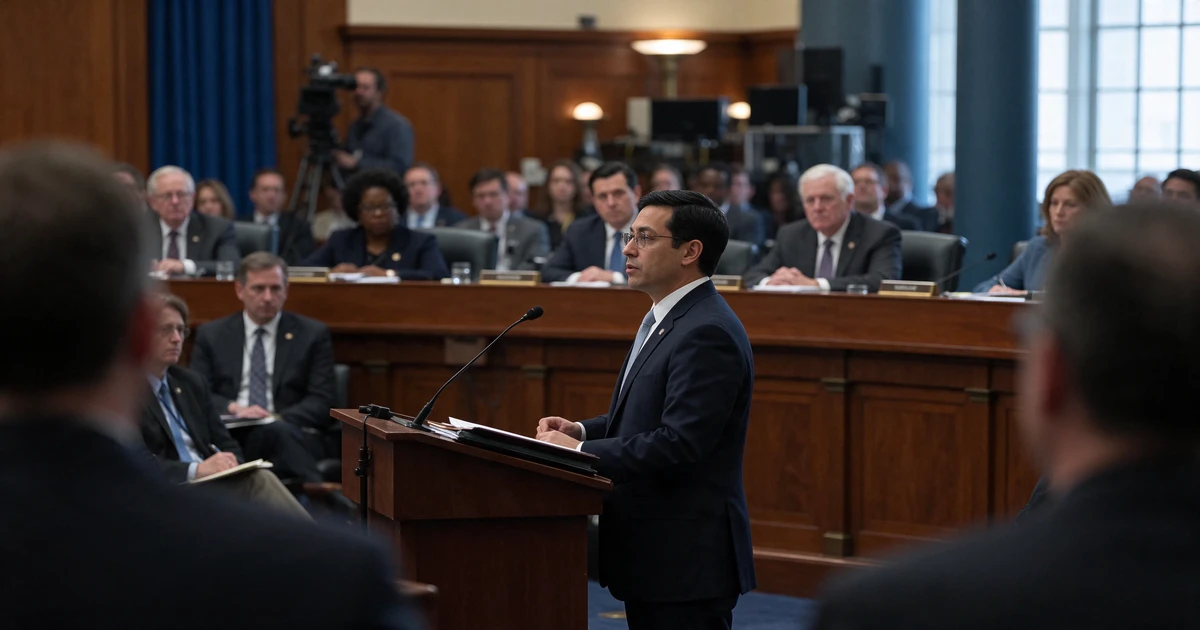
Every time a scandal breaks in Washington, someone says, “Congress needs to investigate.” And then most people go back to their lives, because nobody ever explained what that actually means. I’ve spent years covering this stuff on Call to Activism and on The Daily Mic Drop, and I can tell you the gap between “Congress will look into it” and real accountability is huge. Let’s close that gap.
Here’s the short version: the people you elect are supposed to watch the people who run the government. That’s the job. If you want to understand how congressional oversight works, you have to understand the tools Congress has, who controls them, and why the party in charge of a chamber changes everything.
What Oversight Actually Is
Oversight is Congress checking the executive branch. Congress writes the laws and funds the agencies, so it has a right to know whether those agencies are following the law and spending your money properly. The Constitution doesn’t spell out a stand-alone oversight clause, but courts have long recognized that the power to investigate flows from the power to legislate. In plain English: you can’t write good laws about a government you’re not allowed to examine.
The Tools Committees Use
The most visible tool is the hearing. A committee calls officials, experts, or private citizens to testify, and members ask questions on the record. Behind the scenes, committees send document requests and letters demanding answers. When those are ignored, a committee can issue a subpoena, which is a legal demand for testimony or records. Ignoring a subpoena can lead to a contempt of Congress fight, which is messy and slow, but it’s a real source of leverage.
Then there’s the money. Congress controls appropriations, which means it can ask hard questions at budget time and attach conditions to funding. Add in the Government Accountability Office, which investigates federal programs at Congress’s request, and agency inspectors general who report problems, and you’ve got a real toolbox. Knowing how congressional oversight works means knowing that most of it is paperwork and persistence, not cable-news drama.
Why Control of the Committee Gavel Matters
Here’s the part people miss. The majority party picks the chair, and the chair decides which investigations get hearings and which subpoenas get signed. The minority can write letters and demand answers, but it generally can’t compel anyone to do anything. That’s why you keep hearing about the House Oversight Committee. Representative Robert Garcia is the top Democrat on it right now, and he has said publicly that if Democrats win the majority, he’d move quickly on subpoenas. Whether you love that or hate it, it shows you the mechanism: power to investigate follows power to chair.
What You Can Do About It
You are not a bystander here. Read committee schedules, which are posted publicly, and watch hearings that touch your issues. Contact your representative’s office and ask what they’re doing on oversight. When a hearing produces something newsworthy, share it. Oversight works better when people are paying attention, because attention is the pressure that makes officials show up and answer.
The Bottom Line
Oversight is not a partisan invention. Both parties use it with enthusiasm when the other side holds the White House, and with suspicion when their own side does. If you want accountability to be more than a slogan, you have to understand the system behind it. Now you do. Use it, and keep watching.
That’s how congressional oversight works in practice: patient, public, and powered by people who keep showing up.
