
Blogs
How To Spot Misinformation On Social Platforms Before It Spreads

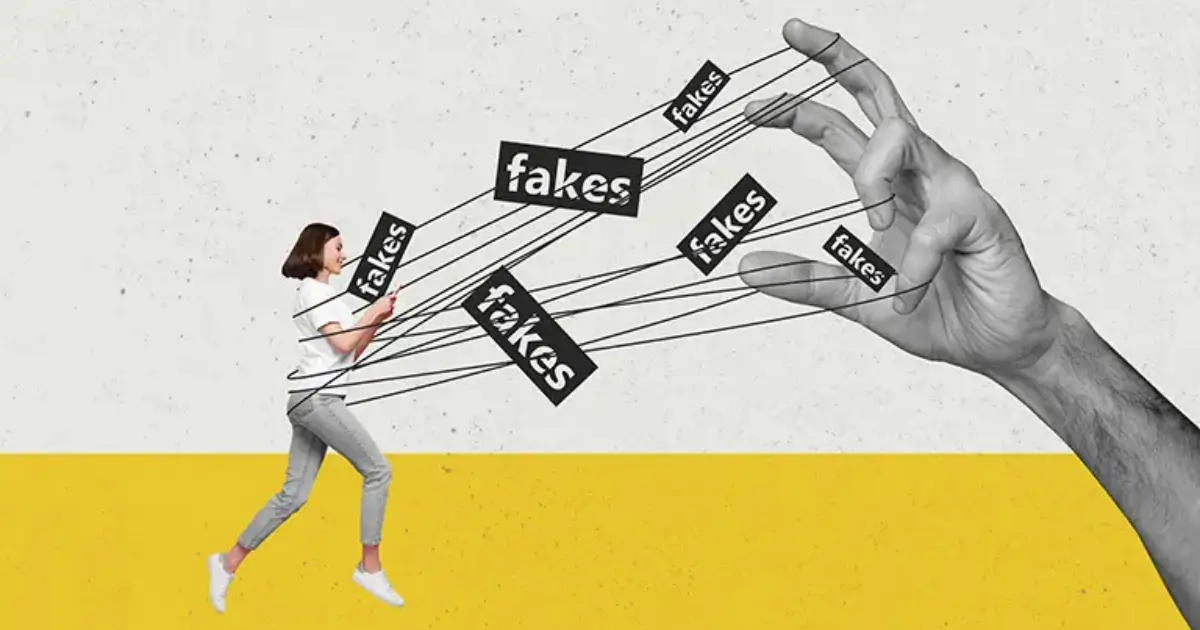
One of the most dangerous things happening in American politics right now isn’t a policy, it’s a lie that feels true. Knowing how to spot misinformation on social platforms is one of the most urgent civic skills you can develop in 2026, because the machinery of deception has never been more sophisticated, more targeted, or more profitable. I’ve spent years working at the intersection of political media and digital strategy, and the misinformation problem is the thread that runs through every battle I fight.
Here’s the hard truth: your brain is not designed to evaluate information at the speed social media delivers it. The platforms know this. Misinformation is engineered to exploit cognitive shortcuts, it confirms what you already suspect, it triggers strong emotions, and it arrives from a source that looks just credible enough. Knowing how to spot misinformation requires you to slow down in a world that’s designed to keep you sprinting.
Check the Source, Then Check the Source’s Source
Most misinformation doesn’t come from obviously fake accounts. It comes from real people sharing content from questionable origins. Before you engage with or share any politically charged post, ask yourself: who published this originally? Is this outlet independently owned? What’s their track record on accuracy? A headline from a site you’ve never heard of that happens to perfectly confirm your existing political beliefs is a red flag, not a gift. One of the foundational rules of how to spot misinformation on social platforms is to trace the claim back to its origin, not just its most recent sharer.
Emotional Intensity Is a Warning Signal
When a piece of political content makes you feel an immediate, overwhelming surge of either rage or triumph, pause. That emotional spike is not a signal that you’ve found the truth. It’s often a sign that the content was engineered specifically to produce that reaction. Misinformation is built for virality, and nothing goes viral faster than content that makes people feel like they’ve just confirmed their worst suspicions about the other side. Take a breath before you share.
Reverse-Search Images and Verify Clips
In the video era, it’s easier than ever to manipulate context. A clip of a politician saying something damaging might be real, or it might be out of context, edited, or years old. How to spot misinformation on social platforms increasingly means using tools like reverse image search and cross-referencing clips against timestamped reporting. At Call to Activism, every piece of content we publish is grounded in verifiable fact, because credibility is the only currency that lasts.
Final Note
Misinformation doesn’t just spread because bad actors post it. It spreads because good people share it without checking. Learning how to spot misinformation on social platforms is an act of democratic self-defense. You don’t have to be an expert. You just have to be willing to pause, verify, and resist the urge to amplify something simply because it feels satisfying. Democracy deserves better than that. And so do you read more on how comments sections became the new frontlines.
