Blogs
Case Study: What Successful Digital Advocacy Campaigns Get Right

I’ve watched hundreds of digital advocacy campaigns launch with passion and die with silence. And I’ve watched a handful of others catch fire and reshape political reality in ways their creators never fully anticipated. The difference between those two outcomes is not budget, not timing, and not luck. It’s a strategy. When I look at case studies of successful digital advocacy campaigns, the same elements appear over and over, and the same mistakes explain most of the failures.
At Call to Activism, we’ve been in the middle of this work for years, producing content that has driven real political outcomes, from influencing public perception during national campaigns to generating millions of engagements around specific legislative fights. What I’m sharing here isn’t theory. It’s a breakdown of the patterns I’ve observed in these case studies, grounded in what I’ve seen work on the frontlines.
Pattern One: They Lead With a Human Story, Not a Policy
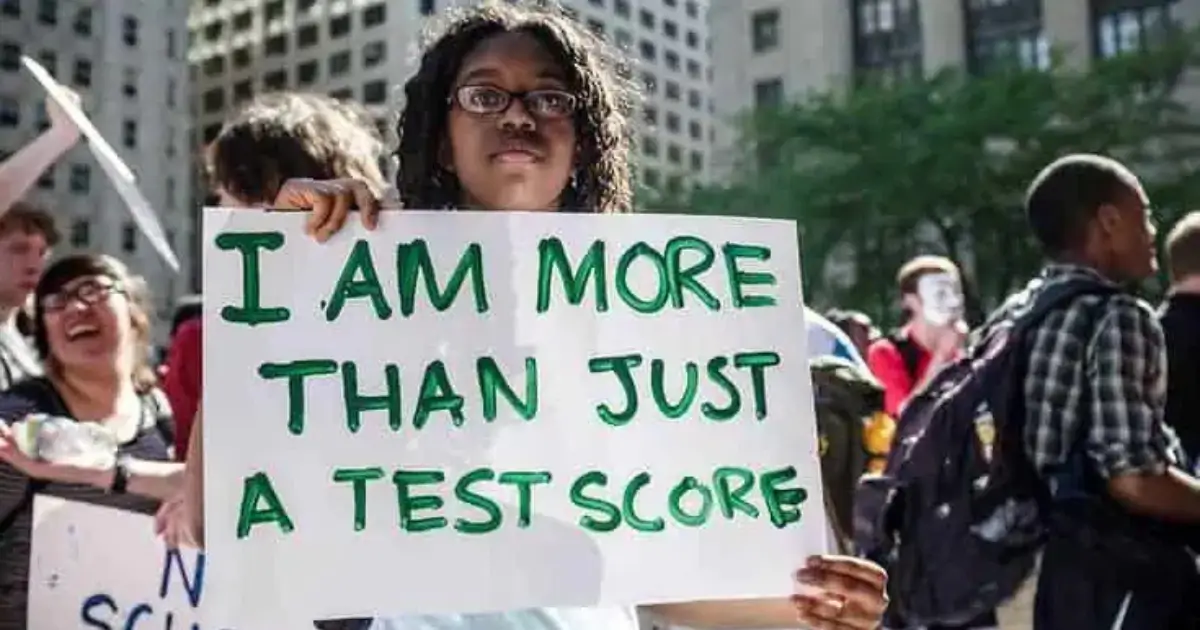
The most successful campaigns in this space almost never open with a statistic or a bill number. They open with a person. A face. A name. A consequence. The campaign to protect the Affordable Care Act didn’t go viral because people understood subsidy structures. It went viral because of videos of real Americans describing what losing their insurance would mean for their lives. Case studies of successful digital advocacy campaigns consistently show that emotional proximity drives engagement, and engagement drives pressure.
Pattern Two: They Create Shareable Moments Deliberately
Nothing about a shareable moment is accidental. Behind every clip that travels is a decision. Someone chose the angle, the length, the caption, and the call-to-action. Successful campaigns engineer these moments. They create content that gives the audience something to do, sign this, share this, call this number, show up here. The ask has to be clear and immediate. Passive inspiration doesn’t move people; a specific next step does explore favorite books on activism.
Pattern Three: They Sustain the Pressure
The biggest gap between campaigns that succeed and those that fizzle is longevity. Most advocacy campaigns get one big day of attention and then dissolve. The case studies of successful digital advocacy campaigns that actually changed policy kept showing up, for weeks, sometimes months. They tracked the issue, reported on developments, re-engaged their audiences with new angles, and refused to let the news cycle bury the story. Consistency isn’t glamorous, but it’s what converts attention into outcomes.
Final Note
The through-line in every case study of successful digital advocacy campaigns is intentionality. The most effective operators in this space treat their platforms like campaigns, with strategy, message discipline, and a clear goal beyond the next post. That’s the standard I hold Call to Activism to every day. Because in political advocacy, good intentions without a plan are just noise.
