
Blogs
How Independent Voters Are Shaping Modern Elections

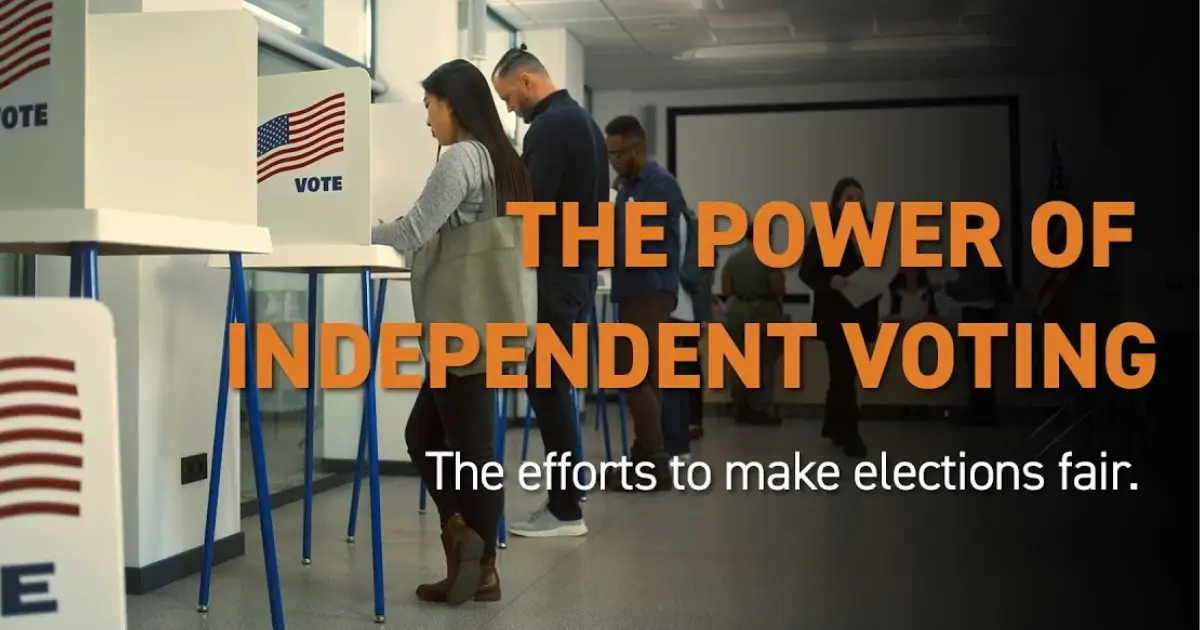
The two-party grip on American politics has never been weaker, and the voters responsible for that shift are not the ones most pundits spend their time talking about. Independent voters are now the largest single electoral bloc in the United States, consistently outnumbering both registered Republicans and Democrats in most national surveys. And yet, political strategy still treats them as an afterthought, a group to be captured with a last-minute ad buy rather than engaged with a genuine substantive conversation. That miscalculation is costing campaigns races they should be winning.
I’ve spent years studying voter behavior and advising campaigns on how to reach the voters who actually decide elections. In this piece, I’m going to break down how independent voters are shaping modern elections, including why their numbers are growing, what actually motivates their vote, how both parties consistently misread them, and what any serious campaign needs to do differently.
Why the Independent Bloc Keeps Growing
The growth of the independent voter bloc is not a mystery. It’s a reaction. As both major parties have moved toward their ideological extremes, millions of Americans have concluded that neither party represents their actual values. Gallup data consistently shows that roughly 40 to 43 percent of Americans identify as independent, dwarfing the roughly 28 percent who identify as Democrat and 27 percent who identify as Republican. Independent voters are shaping modern elections, and that begins with understanding that this is not a group of people who haven’t made up their minds. It’s a group of people who have made up their minds about both parties.
What Independent Voters Actually Care About
One of the most persistent myths in political strategy is that independent voters are ideological moderates who want compromised, centrist positions on every issue. The research tells a different story. Independent voters are not ideologically uniform. They are issue-specific. They may hold progressive views on healthcare while holding conservative views on fiscal policy. They may be skeptical of military intervention while supporting stricter immigration enforcement. How independent voters are shaping modern elections is through their refusal to be put in a box, which means campaigns that treat them like a demographic can be targeted with a single message and are already losing.
How Both Parties Keep Getting It Wrong
The partisan communications apparatus in America is built to energize the base, not to persuade the persuadable. This means that most of the content produced by both major parties in any given election cycle is designed for voters who were already going to show up, not for the independent voters who will determine the outcome. Independent voters and modern elections are partly a story about what happens when both sides of the partisan media machine consistently talk past the people who actually decide whether they win. At Call to Activism, I try to produce content that speaks to the documented record rather than tribal loyalty, because that’s the kind of content that reaches people who aren’t already in your corner.
Final Note
How independent voters are shaping modern elections is the story of what happens when the political system stops serving the people and the people start looking for something different. If you’re running a campaign or trying to build a political platform, the single most important thing you can do is take independent voters seriously, not as a demographic to be targeted but as citizens with genuine concerns that neither party has adequately addressed. That conversation starts with honesty, and it has to start now.
