
Blogs
How Local Ordinances Shape Everyday Community Life

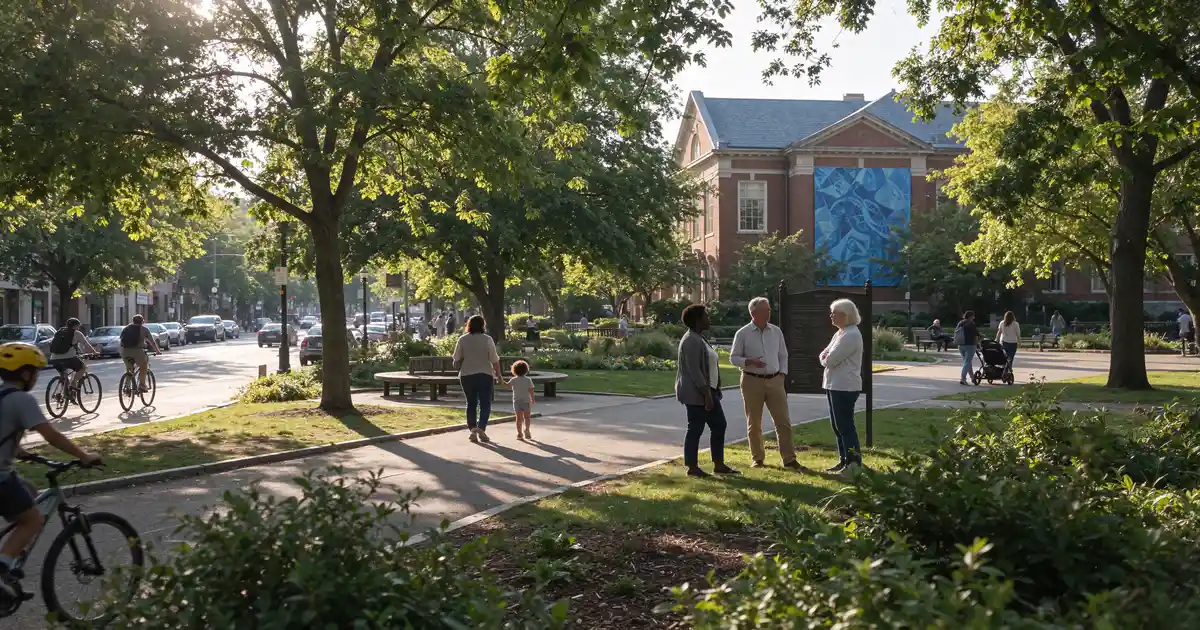
Quick question: when was the last time you paid attention to a city council meeting? If the answer is “never,” you’re in good company. But here’s the thing. The rules that shape your daily life, like where homes can be built, when your neighbor can run a leaf blower, and whether a food truck can park on your street, are mostly made locally.
Let’s break down how local ordinances affect communities and why they deserve a lot more of your attention.
What an Ordinance Is
An ordinance is a law passed by a local government, such as a city council or county board. It carries legal force within that jurisdiction. Ordinances cover a huge range of subjects: zoning, building codes, parking, noise, animal control, business licensing, public safety, and more.
Where the Power Comes From
Local governments get their authority from the state. In some states, local governments have broad “home rule” powers to act on local matters. In others, they’re limited to the powers the state specifically grants. That’s one reason two similar cities in different states can have very different rules.
Zoning: The Big One
Zoning ordinances decide what can be built where. They shape housing costs, traffic, and neighborhood character. When people debate density, apartments, or new businesses, they’re usually fighting about zoning. You can see how local ordinances affect communities most clearly here, because a single zoning vote can change a neighborhood for decades.
The Everyday Stuff
Other ordinances are less dramatic but just as real. Noise rules, short-term rental regulations, rules on sidewalks and signs, and requirements for permits all land on your doorstep. These rules can protect residents, but they can also create barriers for small businesses or renters if they’re poorly designed.
How an Ordinance Becomes Law
The usual path: a council member or the mayor proposes it, it’s introduced at a meeting, it may go to a committee, there’s often a public hearing, and the full body votes, sometimes in multiple readings. Then the mayor signs it, in many places. Meeting agendas are public and typically posted ahead of time.
How You Can Weigh In
Read the agenda. Speak during public comment. Email your council member. Show up with neighbors. Local officials hear from very few people, so a handful of thoughtful residents can carry real weight. I’ve seen local fights decided by a room of twenty people.
Here’s a concrete case. A city considers a short-term rental ordinance limiting how many nights a home can be rented. Neighbors tired of noise may support it. Homeowners relying on rental income may oppose it. Both sides show up, both get to speak, and the council weighs them. That’s local democracy working the way it should, and it only works when people actually attend and speak.
Why This Matters Now
National politics grabs the attention, but local government touches daily life first. The more you understand how local ordinances affect communities, the better you can protect what you love and push for what’s missing. Start by finding your next council meeting. Show up once. You’ll be surprised how much you learn.
