
Blogs
How Media Coverage Influences Public Opinion

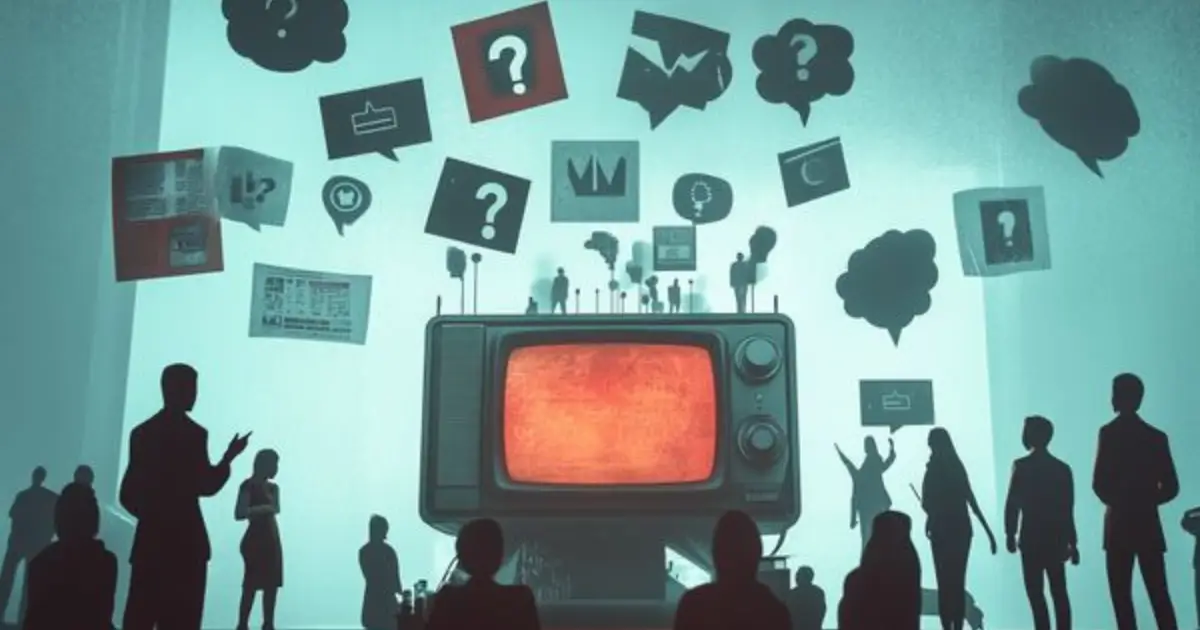
Most people believe they form their political opinions independently, by observing events, processing information, and arriving at their own conclusions. The research on media influence suggests something more complicated. The way a story is framed, the sources chosen to comment on it, the images selected to accompany it, and even the language used to describe political actors all shape how audiences understand political reality in ways that most viewers never consciously detect. How media coverage influences public opinion is not a fringe concern for media studies academics. It is the central operating reality of modern political communication.
I left a legal career to build Call to Activism because I understood that the battle for public opinion is the battle for democratic outcomes. In this post, I’ll walk through the specific mechanisms through which media coverage influences public opinion, from agenda-setting and framing to source selection and false balance, and explain why understanding these mechanisms is a form of democratic self-defense.
Agenda-Setting: The Power to Define What Matters
The most fundamental way that media coverage influences public opinion is not by telling people what to think. It’s by telling people what to think about. This is the agenda-setting function of political media: the stories that get covered become the issues that voters consider important, and the stories that don’t get covered cease to exist in the public consciousness, regardless of their actual significance. How media coverage influences public opinion begins before a single editorial position is taken. It begins in the moment an editor decides which story runs on the front page.
Framing: The Language That Shapes Meaning
The same factual event can be made to feel like a triumph or a catastrophe depending entirely on how it is framed. When corporate tax cuts are described as “relief for job creators” versus “transfers of wealth to the top 1%,” the facts are identical, but the political valence is completely different. Media coverage influences public opinion through framing, and the frames that dominate our political discourse are not chosen randomly. They reflect the institutional relationships, ideological assumptions, and economic incentives of the outlets deploying them.
The False Balance Trap
One of the most damaging conventions in mainstream political media is the false balance: the journalistic instinct to present “both sides” of an issue even when one side is factually unsupported. When a network pairs a climate scientist with a climate denier and presents them as equals, it distorts the public’s understanding of scientific consensus. Media coverage that influences public opinion through false balance is particularly insidious because it happens in the name of fairness, wrapping a distortion in a virtue.
Final Note
How media coverage influences public opinion is not an abstract academic question. It is the terrain on which democratic elections are won and lost. The informed citizen’s most important skill is the ability to read media critically, to identify the framing choices behind every story, and to seek out multiple sources before forming a view. That skill is not innate. It has to be cultivated deliberately.
