Blogs
Why Political Polarization Is Increasing In America

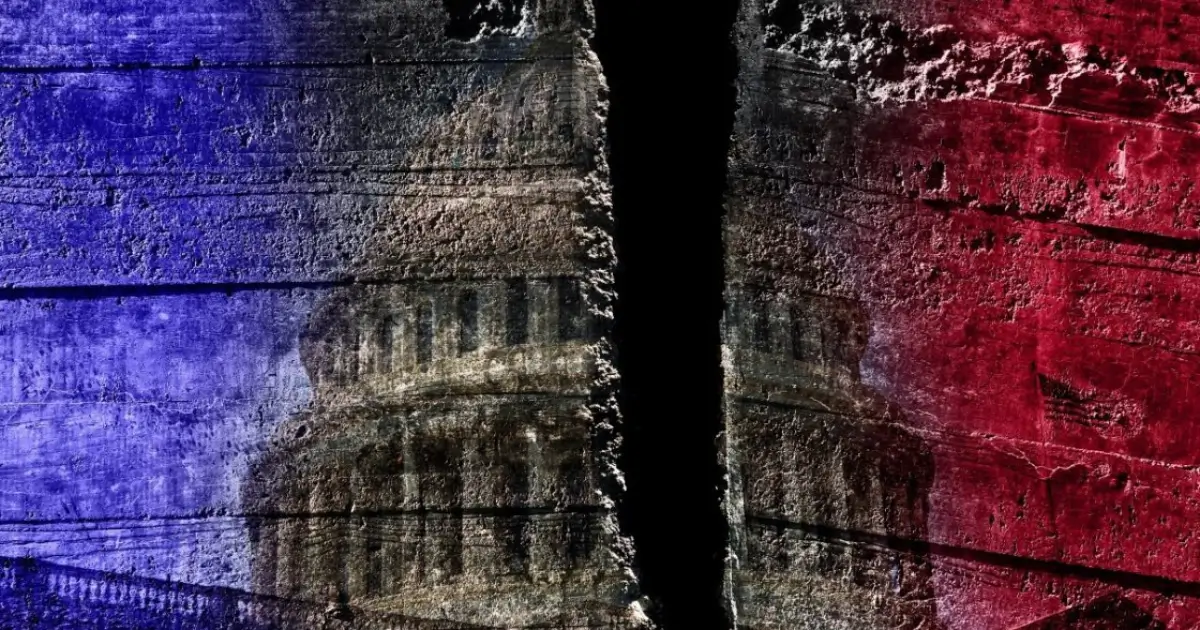
There is a version of political polarization that is healthy, two sides that disagree strongly but still share a common set of facts and a common commitment to the democratic process. That is not the version we are living in. The polarization we are experiencing in America in 2026 has crossed into something more dangerous: a condition in which the two political tribes occupy entirely separate informational realities, treat each other not as opponents but as enemies, and increasingly view the other side’s political success as an existential threat. Understanding why political polarization is increasing in America is one of the most urgent questions in democratic politics today.
I’ve covered political division for years and watched it worsen in ways that sometimes defy explanation. In this piece, I want to walk through the real drivers of this crisis, including the role of algorithms and media incentives, the collapse of shared institutions, the deliberate exploitation of division for political and financial gain, and why the solutions most people propose miss the deeper structural causes.
The Algorithm Problem No One Wants to Fix
Every major social media platform runs on an engagement model that algorithmically rewards content that triggers strong emotional reactions, most commonly outrage, fear, and tribal validation. This is not an accident or an oversight; it is the deliberate product of business models that treat your attention as a commodity and your anger as the most reliable generator of that attention. Political polarization is increasing in America, and it is inseparable from this structural reality: the infrastructure of modern communication is financially incentivized to make you angrier at the other side, every single day.
The Collapse of Shared Institutions
A functioning democracy depends on shared institutions, a common press, shared civic spaces, and educational systems that teach the same civic basics. The erosion of all of these has been dramatic and largely unaddressed. When two Americans can occupy the same city and consume completely different media, receive completely different accounts of the same political events, and process those events through completely different institutional lenses, the shared factual ground required for democratic debate disappears. Why political polarization is increasing in America is partly a story about what happens when the structural glue of a shared civic life dissolves.
Polarization as a Business Model
Some of the most important actors in the polarization story are not confused or radicalizing. They are profiting. Cable news networks, political fundraising operations, social media influencers, and certain political figures have all discovered that division is more lucrative than consensus. Anger generates donations. Outrage generates viewers. Fear generates clicks. Political polarization is increasing, and it includes the uncomfortable reality that many of the people most loudly decrying division are simultaneously benefiting from it. At Call to Activism, I try to channel political anger toward specific accountability targets rather than generalized tribal hatred, because the latter builds nothing.
Final Note
Why political polarization is increasing in America is not one story. It’s a dozen converging forces that reinforce each other. Algorithms, media incentives, institutional collapse, and deliberate exploitation all feed the same beast. The first step is naming what is actually driving it, because you cannot fix what you refuse to diagnose.
