
Blogs
How Podcasts Can Support Political Communication

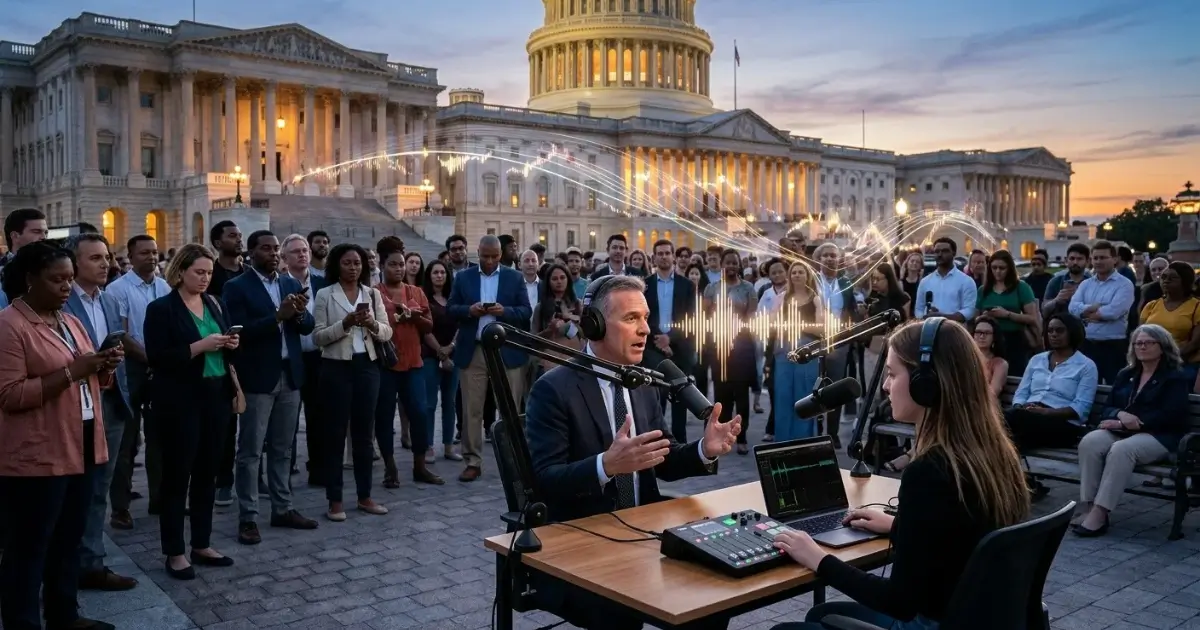
There’s a reason I host The Daily Mic Drop. It’s not because podcasting is trendy – it’s because it works in a way that almost nothing else does. When someone chooses to put your voice in their ears for thirty, forty, sixty minutes while they drive to work or take a walk, that’s a level of sustained attention you simply cannot buy with a thirty-second ad. A thoughtful political podcast strategy gives campaigns and political communicators something extraordinarily rare in the current media environment: uninterrupted time with an engaged audience.
I’ve watched the podcast space evolve from a niche hobby into a genuine force in political communication. Voters who listen to politically focused podcasts regularly are among the most informed, most engaged, and most likely to take political action of any media consumer group. If your campaign or advocacy operation doesn’t have a podcast strategy – either producing a show, appearing on relevant shows as a guest, or both – you’re missing a channel that your most persuadable and most activatable voters are spending hours with every week.
Why Podcasts Work For Political Messaging
The core value of a podcast strategy is depth. Every other major political communication channel is constrained by attention. Twitter gives you a few sentences. A campaign ad gives you thirty seconds. A social media video might get you ninety seconds if you’re lucky and the first three seconds are compelling enough to stop the scroll. A podcast gives you thirty to ninety minutes to make an argument, tell a story, explain a policy position in full, and build genuine rapport with listeners who are choosing to stay with you.
That depth translates directly into the most important metric in political communication: trust. Voters who listen to a candidate or political communicator on a podcast report significantly higher levels of trust and sense of personal connection than those who only encounter the same person through ads or news coverage. At Call to Activism, my interviews on The Daily Mic Drop have generated some of the most substantive political conversations anywhere in progressive digital media – precisely because the format allows for the kind of nuance and candor that five-minute news segments simply can’t accommodate.
Creating Your Own Show Vs. Guest Appearances
A political podcast strategy can take two forms: creating your own show or strategically pursuing guest appearances on established shows. For candidates with robust campaign operations and content teams, launching a campaign podcast can be an excellent way to build a dedicated audience, control the full narrative, and generate clip content for other platforms. But for most campaigns, a more efficient entry point is identifying the podcasts your target voters already listen to and pursuing strategic guest appearances on those shows.
The key to a successful guest appearance strategy is targeting relevance over reach. A candidate appearing on a hyperlocal show with five thousand loyal listeners in their exact district will almost always outperform an appearance on a national show with a million general-interest listeners. Your strategy should map the shows that your specific persuadable and activatable voter groups listen to, and then build relationships with those hosts well before election season heats up.
Repurposing Podcast Content Across Platforms
One of the most underutilized advantages of a podcast is the content leverage it provides. A single sixty-minute podcast recording, properly processed, can yield fifteen to twenty short-form video clips for TikTok and Instagram Reels, five to seven quote graphics for social media, two or three longer YouTube clips, and a full transcript that can become a blog post or email newsletter. The podcast becomes a content engine, not just an audio product. Campaigns that understand this invest in podcast production knowing that every episode is feeding multiple channels simultaneously.
Final Note
A well-executed political podcast strategy is one of the most powerful but underinvested areas of modern campaign communications. The depth, the trust-building, and the content leverage it provides are simply unavailable in any other format at comparable cost. Whether you’re launching your own show or building a guest-appearance pipeline, podcasting deserves a serious place in your political communication infrastructure. The voters you most need to reach are already listening – the question is whether they’re hearing from you.
