
Blogs
The Role Of Political Commentators In Modern Politics

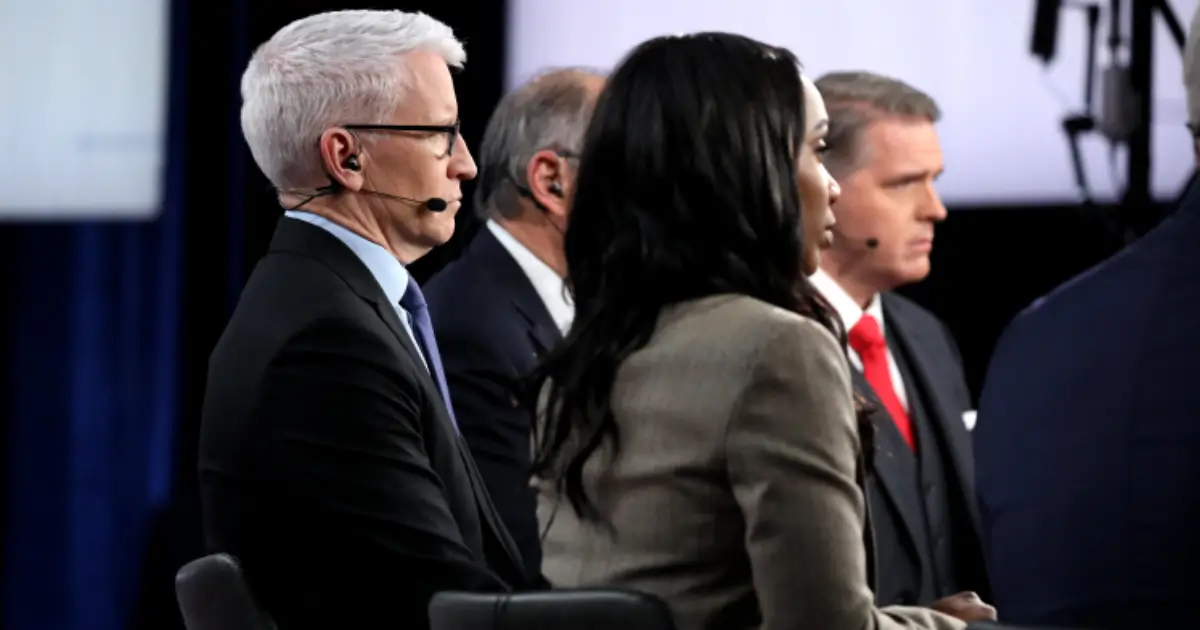
Political commentary has always existed, but its function, its reach, and its accountability have all changed dramatically in the digital era. When Walter Cronkite expressed skepticism about the Vietnam War on live television, his opinion carried weight because it came from an institution with decades of credibility and because the audience had no alternative source of political reality to compare it to. Today, the role of political commentators in modern politics operates in an infinitely more fragmented, more competitive, and more accountable environment, one where the commentator’s credibility is tested in real time against thousands of alternative voices.
I’ve been doing this work since 2017, building Call to Activism from the ground up into one of the most-viewed progressive political platforms in the country. In this piece, I want to be honest about the role of political commentators: what we do well, where we fall short, how the best among us serve democracy, and how the worst among us exploit it.
Agenda-Setting From Outside the Institution
One of the most significant shifts in the role of political commentators in modern politics is the collapse of the institutional gatekeeping that once determined who got to set the agenda. Independent political commentators, operating on X, TikTok, YouTube, and podcasts, now routinely surface stories, reframe narratives, and drive political conversations that mainstream media picks up hours or days later. This decentralization of agenda-setting power is genuinely democratic in some ways and genuinely dangerous in others, depending entirely on the quality and honesty of the voices filling that space.
Accountability Commentary vs. Partisan Performance
The most important distinction in modern political commentary is between accountability journalism, grounded in documented facts, specific claims, and verifiable evidence, and partisan performance, which uses the appearance of political commentary to deliver propaganda. The role of political commentators is most valuable when they hold power accountable, regardless of tribal affiliation. It is most destructive when it simply validates the existing beliefs of an audience that doesn’t want to be challenged.
The Responsibility That Comes With Reach
At Call to Activism, we reach over 4 billion views annually. That is not an abstraction. It means that what I say, how I say it, and whether I get it right have consequences for how millions of people understand political reality. The role of political commentators comes with an ethical responsibility that scales with reach: the larger your audience, the more damage you can do with misinformation, and the more good you can do with clarity and honesty.
Final Note
The role of political commentators in modern politics is essential to a functioning democracy, but only when those commentators take their responsibility seriously. Commentary that informs, challenges, and holds power to account is a democratic service. Commentary that inflames, divides, and misinforms is its opposite. The difference is not ideology. It is integrity.
